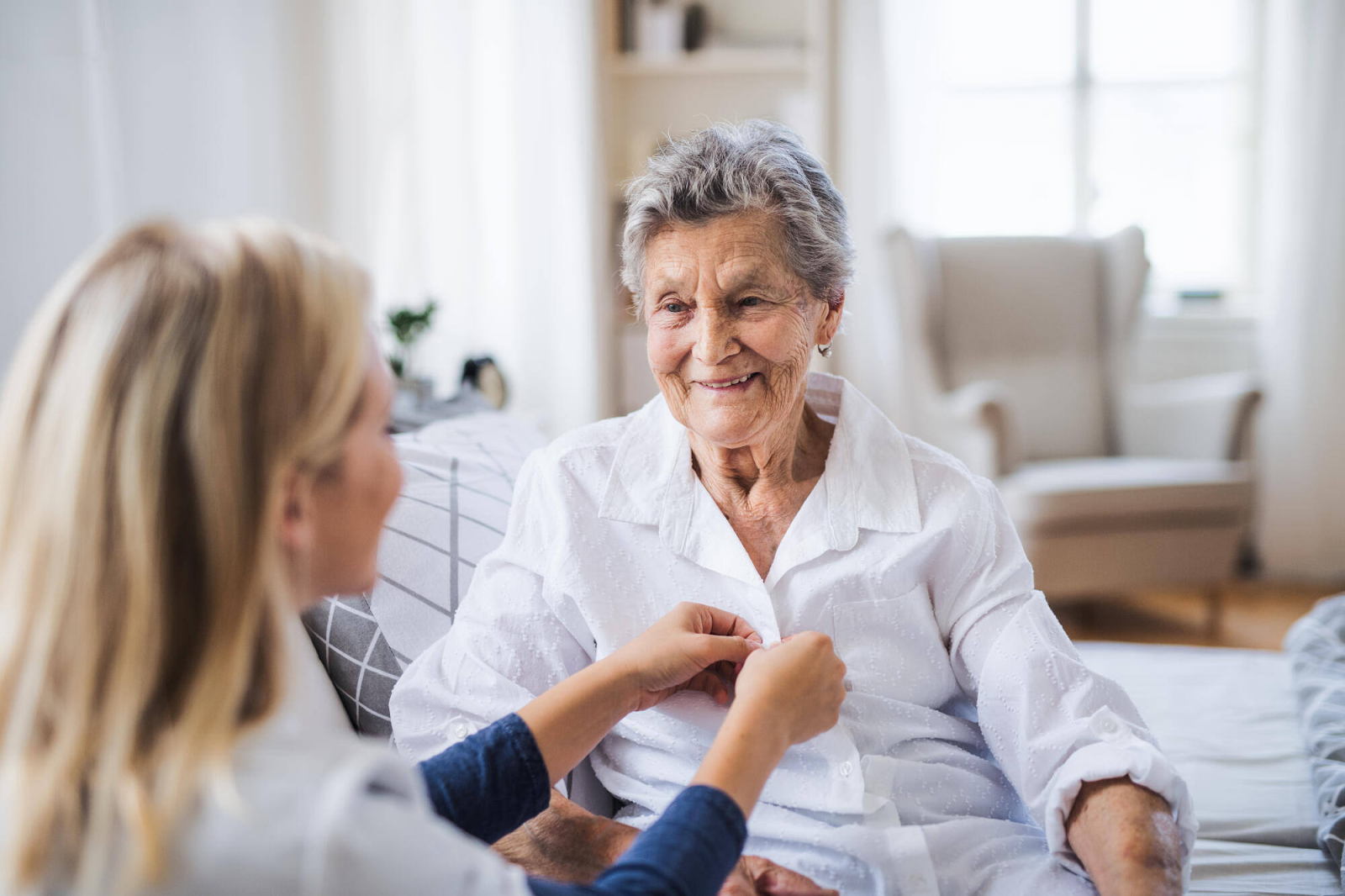
As people grow older, healthcare needs often change. Seniors may require different types of medical services to help them live more comfortably and maintain a good quality of life. Understanding these services is important for families and caregivers, as they can ensure that seniors get the right kind of care when they need it most. In this article, we will explore five essential medical services for seniors.
Palliative Care
Palliative care is a type of medical care that focuses on improving the quality of life for seniors with serious or chronic illnesses. Unlike treatments aimed at curing diseases, palliative care addresses the symptoms and stress that come with illness.
It helps manage pain, provides comfort, and supports both the senior and their family emotionally. Palliative care can be provided alongside other treatments, helping seniors feel better without needing to stay in the hospital.
Occupational Therapy Services
The occupational therapy services play a crucial role in helping seniors maintain their independence. These services focus on improving daily skills, such as bathing, dressing, eating, and managing household tasks.
Occupational therapists work with seniors to adapt their living spaces and routines, making everyday tasks easier and safer. They also help seniors regain skills lost after an injury or stroke. Occupational therapy is essential for seniors who have trouble performing regular tasks.
Home Health Care
Home health care is a service that brings healthcare professionals into the home to provide care for seniors. This can include nursing care, physical therapy, and assistance with daily activities like meal preparation or bathing.
Home health care is a great option for seniors who prefer to stay in their homes but need help managing medical conditions. A nurse may visit regularly to monitor vital signs or administer medications, while home health aides assist with personal care.
Physical Therapy
Physical therapy is another important service for seniors, especially for those recovering from surgery or injury. It helps seniors regain strength, mobility, and balance through targeted exercises and treatments. Physical therapists work with seniors to improve their ability to move, reduce pain, and prevent falls.
For example, if a senior has had a hip replacement, physical therapy can help them rebuild muscle strength and flexibility to walk properly again. Regular physical therapy sessions can also help prevent further injuries by addressing weaknesses or imbalances in the body.
Mental Health Support
Mental health support is essential for seniors who may be dealing with depression, anxiety, or loneliness. As seniors age, they may experience changes in their emotional well-being due to isolation, loss of independence, or health problems.
Mental health professionals, such as therapists and counselors, can help seniors manage these feelings by offering support, coping strategies, and therapy. It is important to recognize that mental health is just as important as physical health, and addressing mental health concerns can significantly improve a senior’s overall quality of life.
Conclusion
In conclusion, seniors have unique healthcare needs, and it is important for their families and caregivers to understand the basic medical services available to them. Palliative care, occupational therapy, home health care, physical therapy, and mental health support all play vital roles in helping seniors live their best lives.
By ensuring that seniors have access to these services, families can provide the best possible care and help their loved ones maintain their independence, comfort, and happiness.